2026-11-19 · David
How Wind Ratings Matter For Roofs In Jacksonville
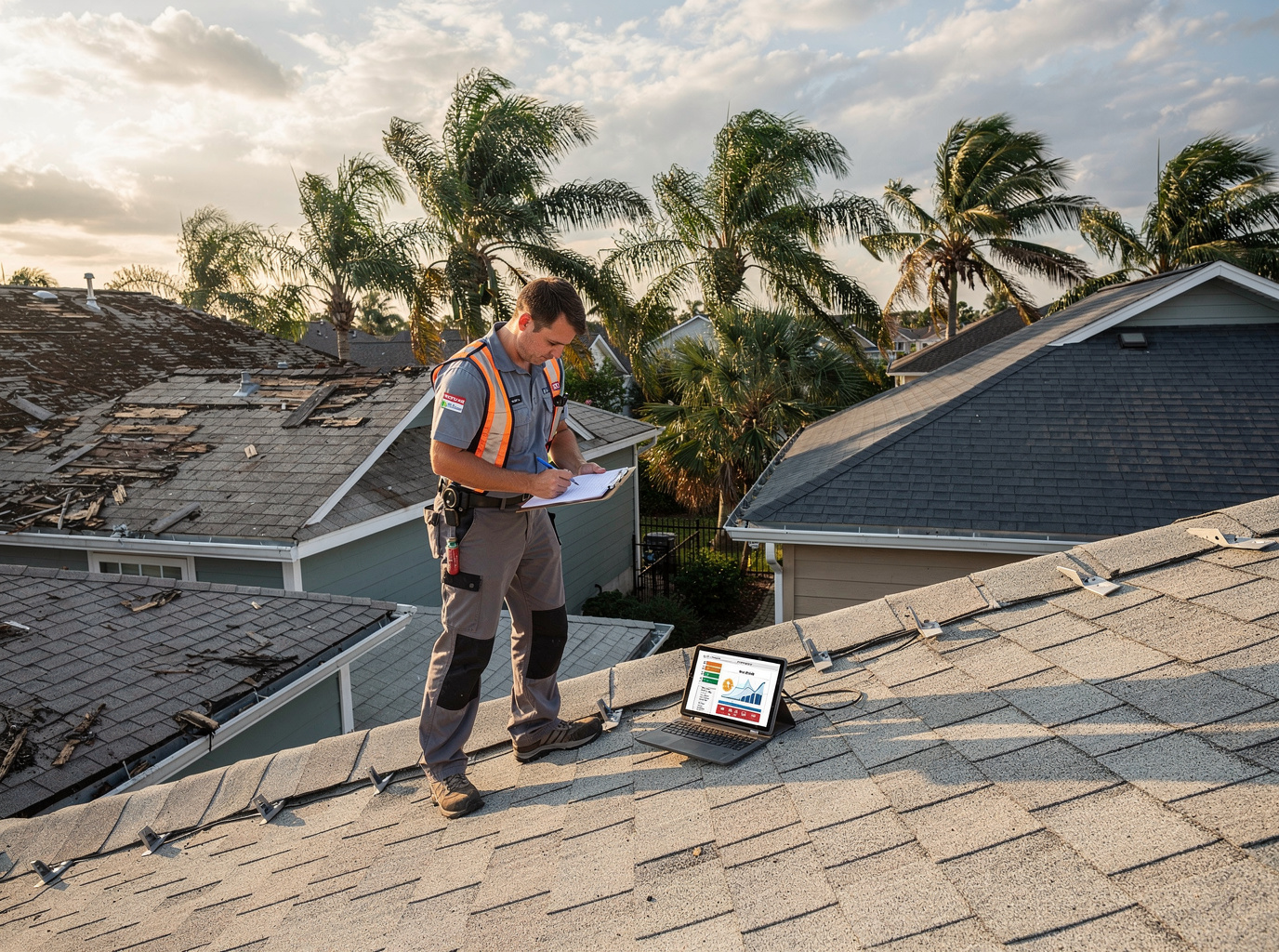
Wind ratings matter because Jacksonville homes in Duval County must handle sustained winds from tropical storms that arrive most years between June and November. Roofs built or replaced without adequate ratings often experience edge lifting and shingle loss during these events, especially on older housing stock in Riverside and San Marco where many structures predate current code updates.
Jacksonville Climate and Wind Exposure
Jacksonville's humid subtropical climate brings hot summers followed by mild winters, yet the real roof stress comes from summer and fall storm systems moving up the coast. Properties near the St. Johns River or in Arlington catch stronger gusts because open water allows winds to build speed before hitting land. Homes in Springfield and Avondale sit on slightly higher ground but still face the same seasonal wind loads that push against roof edges and fasteners. These patterns mean a roof's wind rating directly influences how many storms it survives before repairs become necessary.
What Wind Ratings Actually Measure
A wind rating states the maximum wind speed a roof assembly can resist without failure when installed to manufacturer specifications. Higher ratings require stronger underlayment, more fasteners per square, and often enhanced edge detailing. In practice this changes the job on the ground because crews working in Downtown Jacksonville or Mandarin must use different nailing patterns and clip systems than they would on inland projects. The rating also affects how the roof performs once salt air from Atlantic Beach and Neptune Beach reaches inland neighborhoods during storms.
Material Choices and Local Performance
Shingle systems, metal panels, and tile each carry different wind ratings that suit Jacksonville's housing mix. Metal roofing often receives higher ratings with proper screw schedules and can be a practical choice for homes in Orange Park that sit exposed along the river corridor. Tile roofs common in some Mandarin subdivisions need specific underlayment and batten spacing to meet the same wind thresholds. When wind ratings fall short, owners in San Marco frequently end up scheduling storm damage roof repair sooner than expected because wind-driven rain finds entry points at lifted edges.
Inspection Timing and Code Realities
Pre-storm roof inspection in Duval County helps identify roofs whose current rating no longer matches the wind loads now expected in the area. Crews check fastener integrity, flashing attachment, and any prior repairs that may have lowered overall performance. Linking this check to an upcoming storm window gives homeowners time to address weak spots before winds arrive. Residents in Avondale and Riverside often combine this step with routine roof maintenance because older decks and rafters can limit how high a rating can be achieved during replacement.
Practical Steps for Homeowners
Start by reviewing the existing roof's documentation or having a contractor evaluate the rating on site. Compare that number against the wind speeds recorded during recent storms that crossed Duval County. If the rating is marginal, plan upgrades during the next roof replacement rather than waiting for damage. Owners near the beaches should also consider how salt air accelerates corrosion on metal components, which can reduce effective wind resistance over time. Scheduling work between November and May avoids peak storm season and lets crews complete detailing work without weather interruptions.